


Stainless Steel Flanges
Stainless(chrome) steel flangespiping systems are safe , leak-proof fasteners play a critical role in connecting in a modular way and that. Pipes, valves, pumps and other equipment accelerates the process of maintenance and repair by providing ease of Assembly and disassembly.
Arzenox as Most standard 1092 properly manufactured, with high quality and reliability we offer a wide range of stainless steel flanges. In our product range, especially featured with corrosion resistance 304L and 316L has flanges in class. These products are chemical, petrochemical, food, pharmaceutical, energy, long life and high performance even under harsh conditions such as industrial and maritime solutions.
Every project custom sizes, our configurations and connection options compatible with Surface Type thanks to reduce installation time while increasing the security of the process operational efficiency we aim to take you to the top level.
Quality Stainless Steel Flanges Stock
| Quality | Description |
|---|---|
| 304 / 304L (1.4301 / 1.4307) | A variety of applications, suitable for high corrosion resistance and versatility. |
| 316 / 316L (1.4401 / 1.4404) | Ideal for challenging environments due to its superior corrosion resistance. |
Product Range
| Property | December |
|---|---|
| Pressure Classes | PN6-PN10-PN25-PN25-PN40 |
| Minimum - Maximum Diameter | DN15(21,3 mm) – DN600(610mm) |
Standards
| Standard | Description |
|---|---|
| EN 1092-1 | Compliance with European standards, quality and convenience it provides. |
The Surface Is Flat Flange Gasket
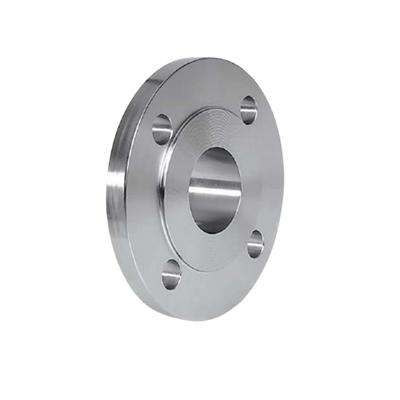
Medical 01B flat flange, gasket surface (FF – flat face sealing and pipe systems with mechanical design standard that is used to secure the connection of a flange type. Such flanges are usually used in low pressure systems with a wide contact surface and sealing surface of the seal by creating a flat, optimum sealing performance.
Key Features
- Surface Type: smooth (Flat Face FF), complete with gasket provides a contact surface.
- Standards: en 1092-1 / din, ANSI/ASME, such as to comply with international norms.
- Pressure Classes: PN6, PN10, PN25 (pn25 and PN40 versions may also be offered on request).
- Material quality: 304 / 304L, 316 / 316L, such as stainless steel grades are available.
- Areas of usage: water treatment systems, fire systems, HVAC systems, chemical process lines, low pressure piping applications.
Advantages
- Flat gasket surface due to the structure provides ease of installation.
- The other connector is compatible with the standard bolt with the layout of the hole.
- High corrosion resistance and long lasting.
- With a range of diameters and pressure classes to the needs of various large system is the answer.
Usage Notes
Medical valves flanges fittings or other flat surface with a generally flat 01B should be used in conjunction with.
Other surface types (e.g. RF - Raised Face), we do not recommend direct mounting; in this case, and may affect gasket sealing surface contact.
Weld Neck Flange
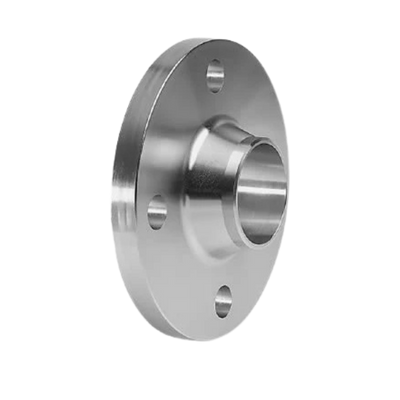
Welding neck flange, type 11Bpipe that runs under high pressure and temperature systems is a type of flange that is used to provide a reliable and robust connection. Tapered neck structure thanks a pipe due to the tension in evenly distributing increases the durability of the system.
Technical Specifications
- Building Type: With a tapered neck, the tip of which stems pipe s is mounted.
- Standardization: 2633 DIN EN 1092-1, ASME B16.Comply with international standards such as 5.
- Pressure Classes: PN10, PN25, PN25, PN40, Class 150, Class 300, etc.
- Material Quality: 304, 304L, 316, 316L, 316ti, stainless steel grades and the like are available.
- Connection Form: Pipe welding (butt-weld) connects with.
Advantages
- High pressure and high temperature resistance.
- Source thanks to its neck, excellent mechanical strength and stress distribution.
- Sealing the safety and long-lasting use.
- Their installations vibration and shock resistant construction.
Areas Of Use
- Petrochemical and refinery plants
- Energy production plants
- Pressure Vessel Systems
- High temperature process lines
- Steam, gas and liquid pipelines carrying
Usage Notes
Weld neck flangesget the source to merge with the implementation of proper welding procedures during the welding process because it requires high precision and is of great importance.
Free Flange (Loose Flange)
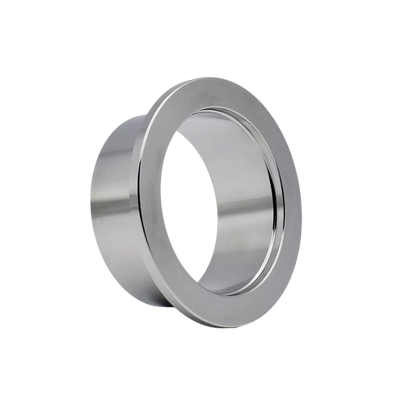
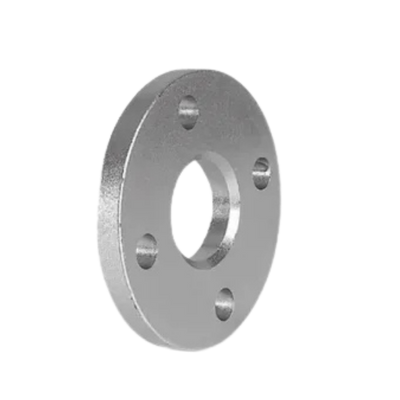
Type 02-free flangepipe sealing systems in order to provide a direct conduit do not originate in the flange itself, rather than a separate collar or the surface of the gasket (stub end) is used in conjunction with a fastener.
This structure provides ease of Assembly and disassembly, and particularly allows to reduce the use of expensive materials such as stainless steel.
Technical Specifications
- Building Type: The flange ring is free; the surface of the gasket to the side or runs.
- Standardization: DIN 2641/2642 EN 1092-1, ASME B16.5, and comply with similar standards.
- Pressure Classes: PN6, PN10, PN25, such as grades and class 150 pressure is produced.
- Material Quality: Carbon steel, stainless steel (304, 316, etc.) aluminum and alloy steel options are available.
- Gasket Surface: Typically flat (flat face – FF) or slightly elevated (Raised Face RF) surface is used.
Advantages
- Because they are not directly applied to the welding process flange deformation of the ring, the risk is reduced.
- The possibility of easy assembly and disassembly.
- Flange for easy alignment of bolt holes may return to the ring.
- The parts in contact with the surface of stainless steel, carbon steel ring flange may be; thus, provides a cost advantage.
Areas Of Use
- Hygienic applications in the food and pharmaceutical industries
- Chemical and petrochemical plants
- Plastic pipe systems (e.g. PTFE, PP)
- Low-pressure process lines
- Maintenance and cleaning operations are often made systems
Blind Flange (Blind Flange)
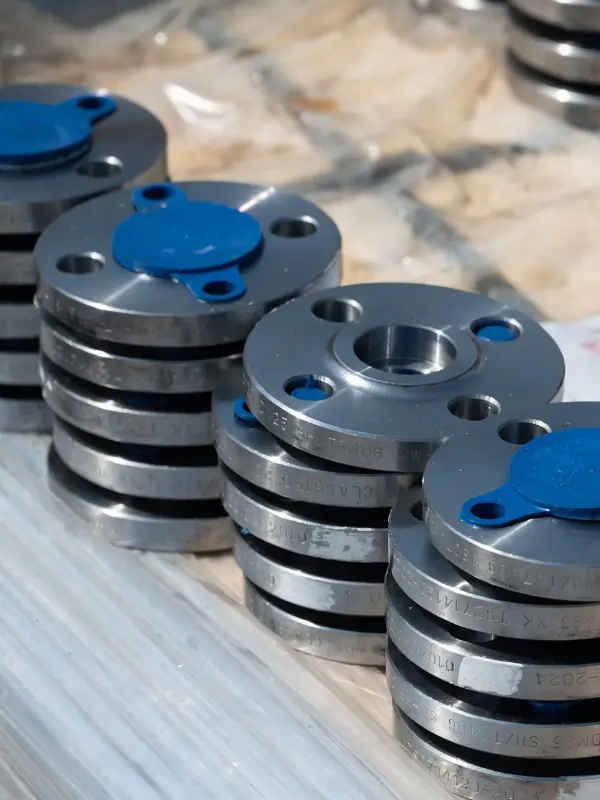
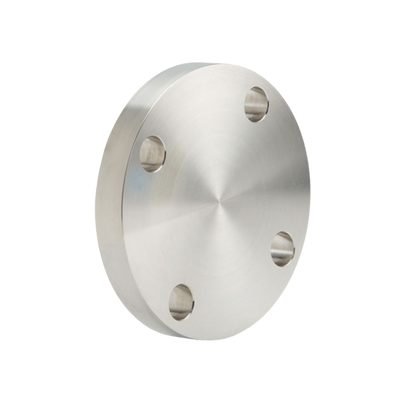
Blind flange, pipe to stop the flow temporarily or permanently close the ends of lines or system that is used as a flat disk-shaped fastener is. 5B type blind flange, creates a secure closing and sealing the system by providing maintenance, testing, or the system plays a critical role during change processes.
Technical Specifications
- Building Type: A solid, circular flange structure, the output of the pipeline or equipment turns off.
- Standardization: EN 1092-1, ASME B16.5, comply with standards such as Din 2527.
- Pressure Classes: PN6, PN10, PN25, PN40 class 150, 300, 600, such as can be produced in different pressure classes.
- Material Quality: 304, 316, 321, 316Ti stainless steel, such as the quality is common.
- Gasket Surface: RF (raised face – elevated Surface), FF (Flat Face – a flat surface), you are presented with options such as.
Advantages
- Offers a secure solution for testing or the termination of the pipeline.
- The pressure in the system will temporarily prevent the flow tests.
- Instead of welded connections bolted connection offers the possibility of easy assembly and disassembly.
- Particularly preferred because it is high in sealing properties in pressurized lines.
Areas Of Use
- Pipelines have to be closed temporarily or permanently
- Get a pressure test done on the lines process
- Industrial plants, maintenance and repair procedures
- Chemical, petrochemical, energy, and water purification systems in sectors such as
Stubend (Short End Of Pipe)
Stubend, flange, pipe plumbing systems, especially in the free (Type 02) and are usually used in conjunction with lap joint (from the back) that is designed for the connection of an element. The flange serves as a conduit that allows the free rotation of the source combined in the piece.
Key Features:
- Material: 304, 316, 316L, 321 stainless steel grades such as are produced.
- Connection type: pipe is joined to a source, the system together with the flange in compression and impermeability.
Advantages:
- The flange allows it to rotate freely, it also offers ease of Assembly.
- Especially in the environments of high temperature and corrosion resistance required is preferred.
- Pipeline disassembly and re-assembly process provides a convenience.
Areas Of Use: Chemical and petrochemical plants, shipbuilding, power plants, food processing systems